How to apply
Redcar and Cleveland Borough Council's dropped kerbs page explains that a driveway crossing is needed for vehicle access, to prevent damage to both the footway and the vehicle. The application form should be completed by the property owner.
In outline:
- Check your frontage is deep enough to park without overhanging the footway.
- Apply online to the council as the owner.
- The council assesses the site and gives a price. Crossings are priced on application, not from a fixed list.
- Accept and pay, and the crossing is built by the council or its approved contractors.
- Build or finish your drive to meet the new crossing.
Why a driveway firm cannot just do it
Work on the public footway is highway work. A driveway firm that is not approved by the council cannot legally lower the kerb, and unauthorised work can be removed. Ask anyone offering "kerb included" how it will be authorised.
What affects approval
- Enough depth to park clear of the footway.
- Visibility for drivers and pedestrians.
- Nearby junctions, crossings, bus stops and street trees.
- Lamp posts, signs and utility covers that may need moving.
- Whether the road is classified, which can also need planning permission.
Costs
National figures give a sense of scale:
| Work | Typical UK cost |
|---|---|
| New dropped kerb | about £1,800 |
| Widening an existing crossing | about £1,100 |
Sources: Checkatrade, 2026; MyJobQuote estimates about £2,000. Redcar's actual price comes from the council's site-specific assessment.
Planning ahead
Apply for the crossing before committing to a new drive. If it is refused, you are left with parking you cannot legally use. Our dropped kerb steps guide sets out a timeline.
Crossings on different Redcar streets
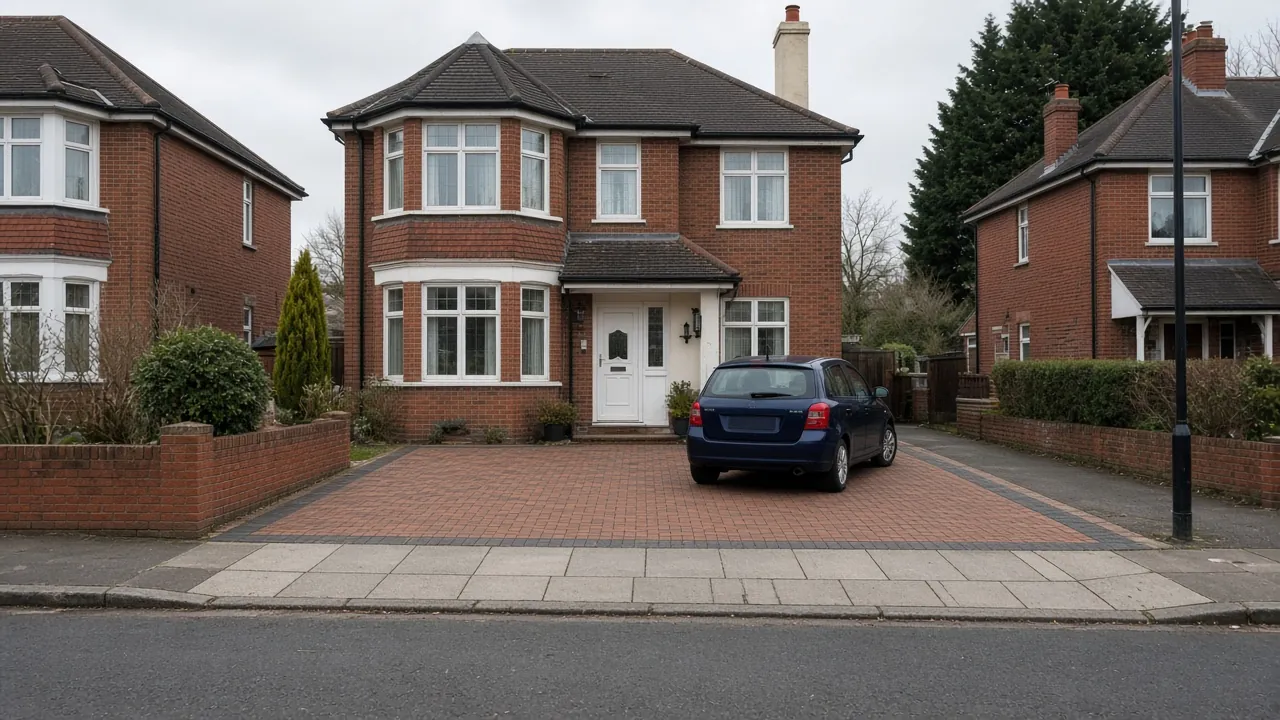
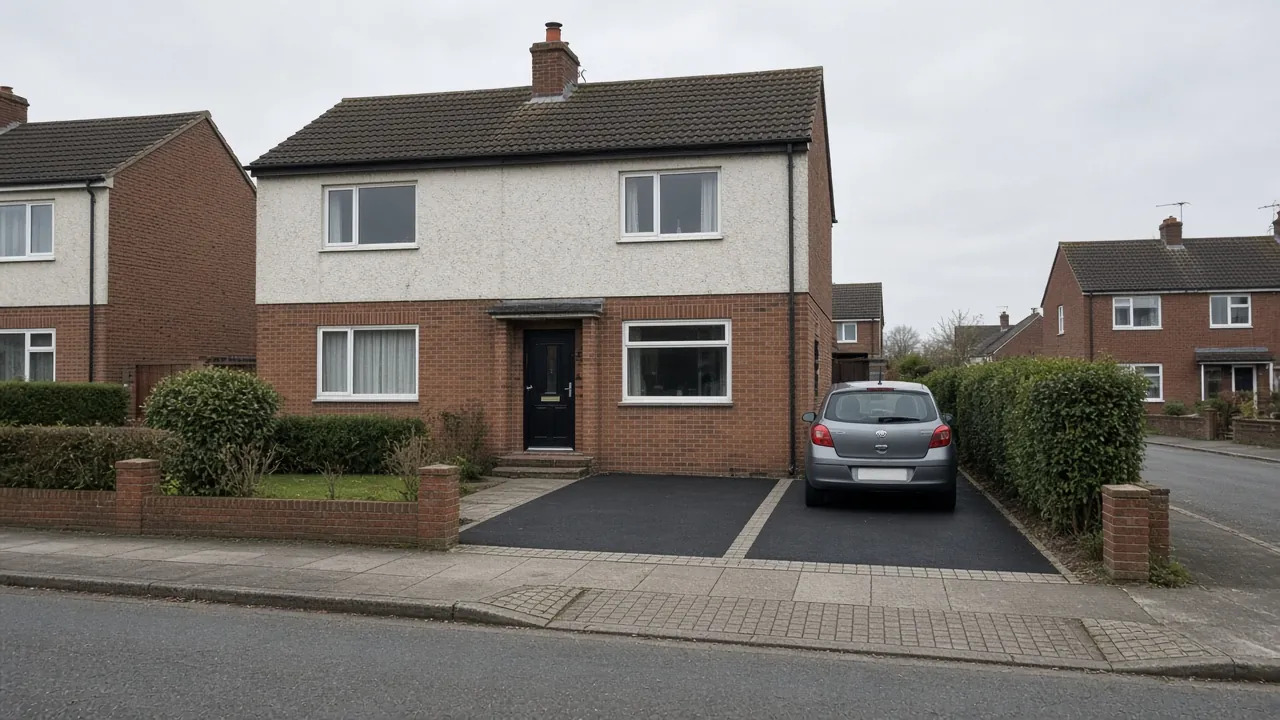
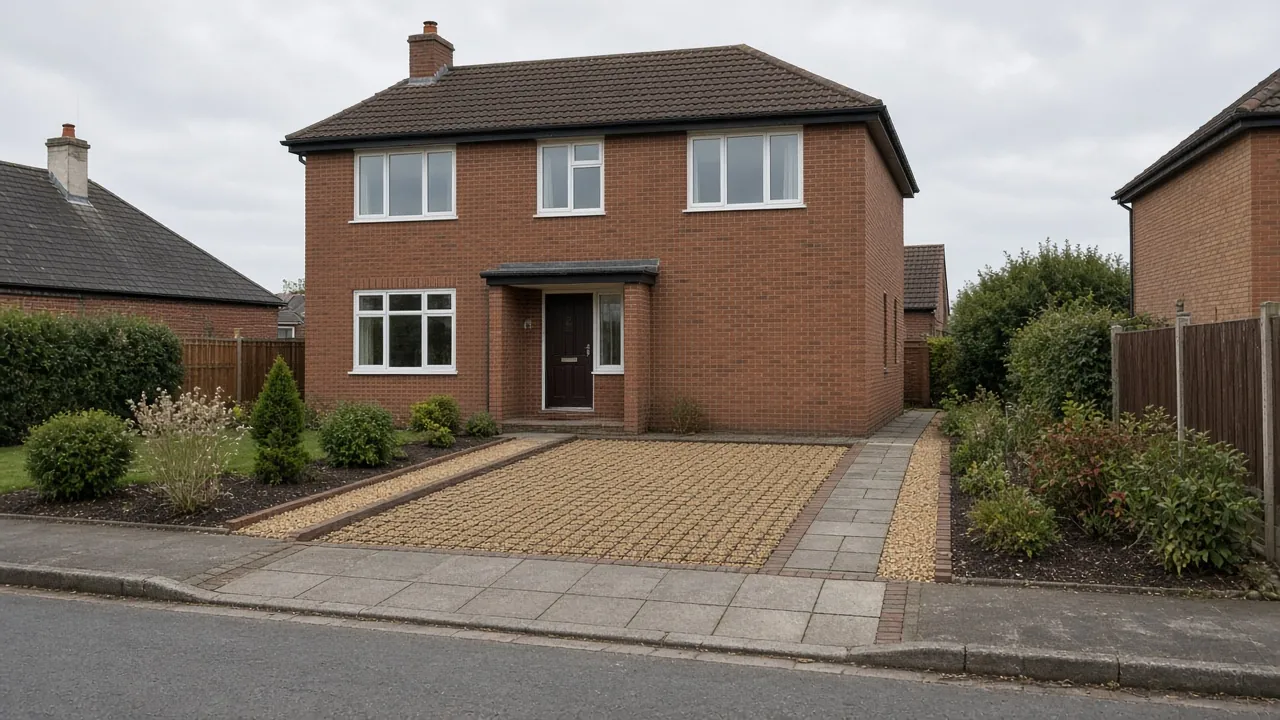
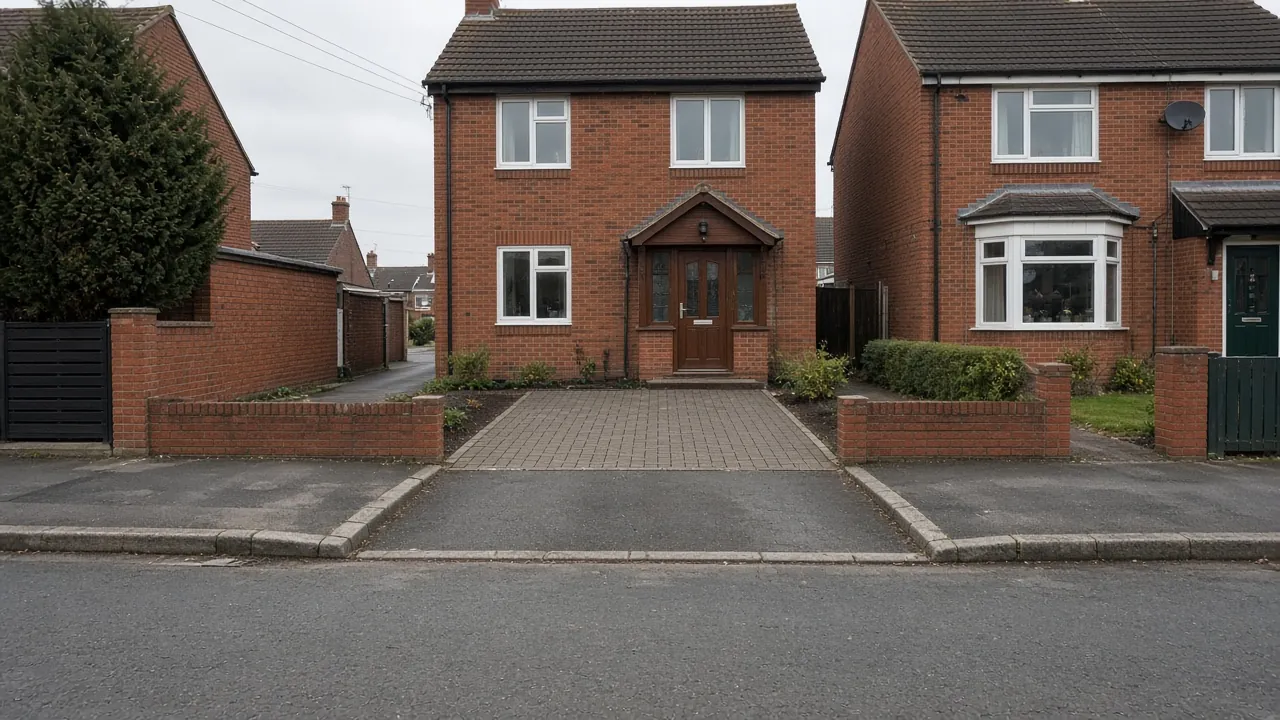
The practical questions vary by street. In Dormanstown and on the Lakes Estate, many crossings must span a grass verge as well as the footway, which adds length and cost. In Newcomen and Coatham, short front gardens mean the first check is whether a car fits at all. On busier routes such as West Dyke Road, visibility and pedestrian safety get extra attention. In newer parts of Wheatlands, most homes already have a crossing and the question is usually widening it. Knowing which situation applies to you helps set expectations before you apply.
Common questions
Who can apply?
The property owner. Tenants need the owner to apply or agree.
Is there a fixed fee?
No. The council prices each crossing individually.
Can I use ramps instead?
Kerb ramps left in the road are an obstruction and are not a substitute for a proper crossing.
Who builds it?
Redcar and Cleveland Borough Council or its approved contractors.
Does widening need an application too?
Yes. Widening an existing crossing goes through the same process.