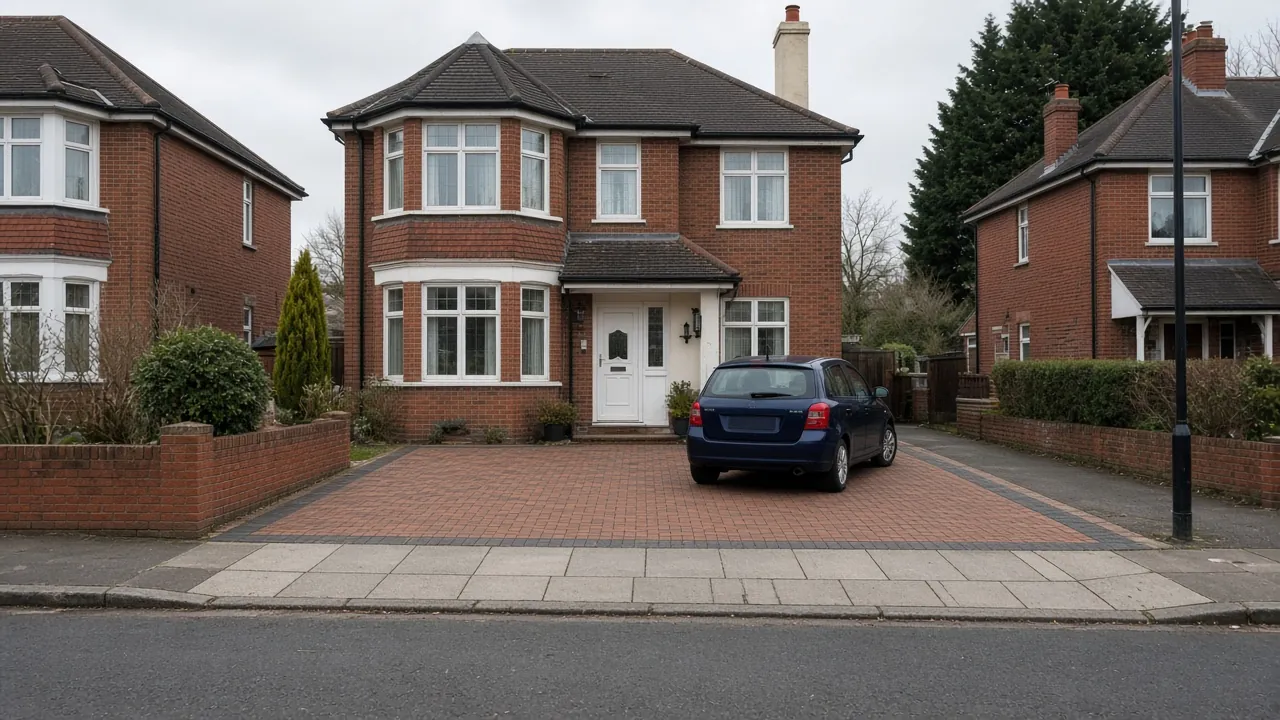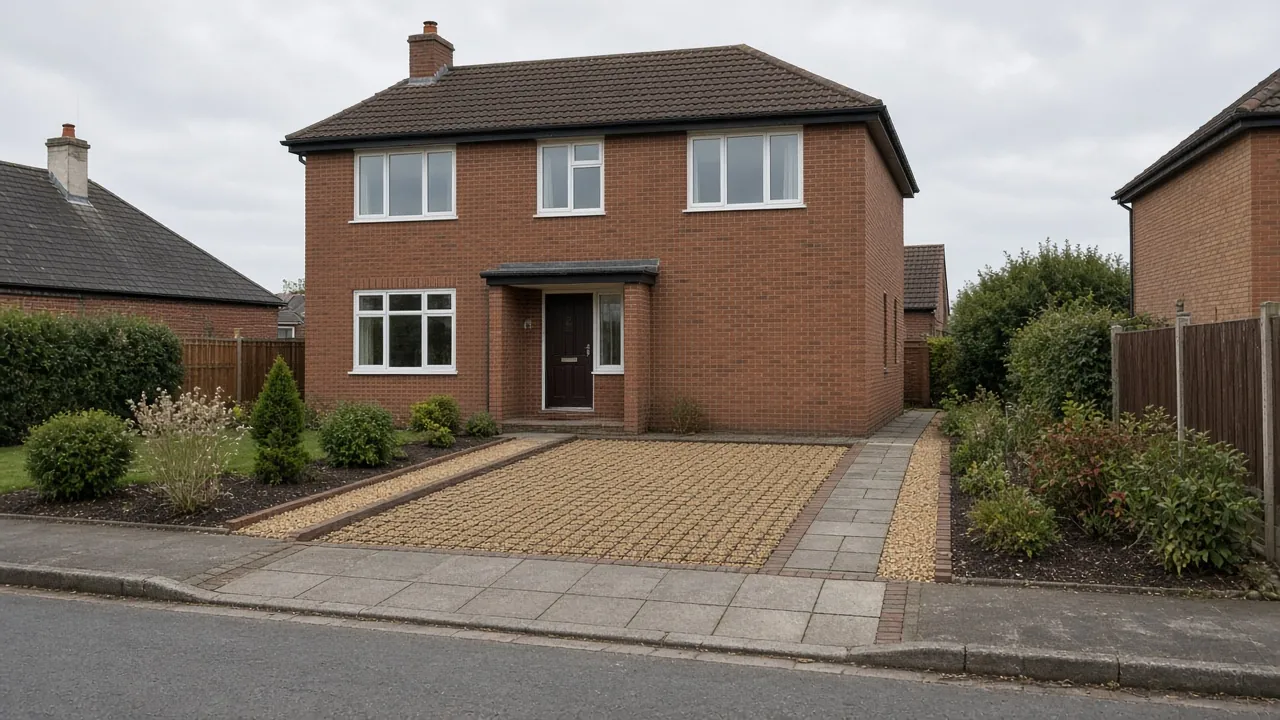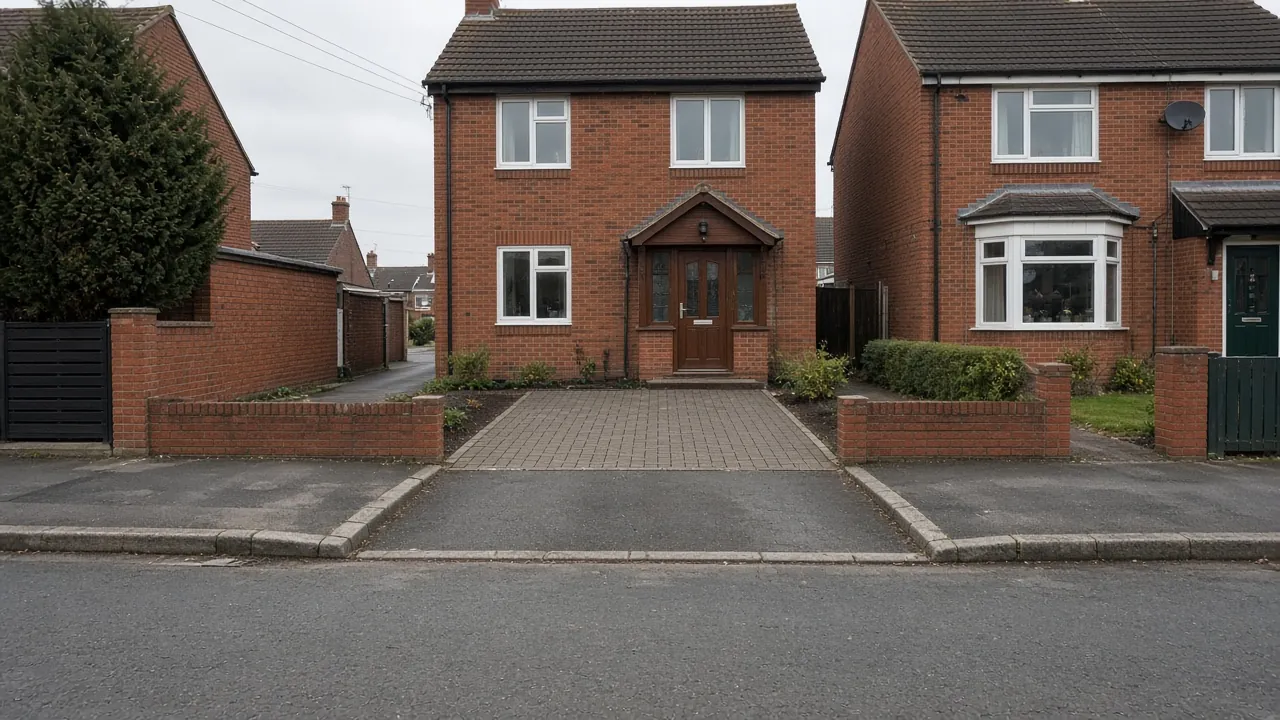
The layers of a proper job
- Sub-base: crushed stone, compacted, typically 150mm or more.
- Binder course: a coarse asphalt layer for strength.
- Surface course: a fine, dense asphalt layer, rolled smooth.
- Edging: concrete kerbs, setts or blocks bedded in concrete.
Ask for each layer's thickness on the quote.
Doorstep offers
Redcar, like many coastal towns, sees "we have tarmac left over from a job nearby" offers. Those jobs often skip the sub-base, use a single thin layer and have no fixed address for follow-up. Get a quote with a specification and a business address, and take time to compare.
Resurfacing or replacing
| Condition | Approach |
|---|---|
| Surface worn, base firm | New surface course over the old, with edges repaired |
| Potholes in a few spots | Cut out and patch, then overlay |
| Sinking or cracking across the drive | Dig out and rebuild |
Every overlay raises the drive. Keep the finished level at least 150mm below the damp-proof course and check that garage doors still clear.
Edges and the weather
On exposed frontages, edges take a beating from frost, wind-driven rain and tyres. A firm concrete-bedded edge stops crumbling. Block or sett borders also give a neater finish against lawns.
Cost
About £90 per m² on Checkatrade's April 2026 averages (cost guide). Bigger drives cost less per square metre. Breaking out old concrete and adding drainage add to the price. See the Redcar cost guide.
Drainage
Standard tarmac sheds water. Falling the drive to a lawn, adding a channel drain to a soakaway, or using porous asphalt keeps you within the front-garden rule for areas over 5m². If budget is the priority and you want natural drainage, gravel is cheaper still.
Tarmac on Redcar's estates
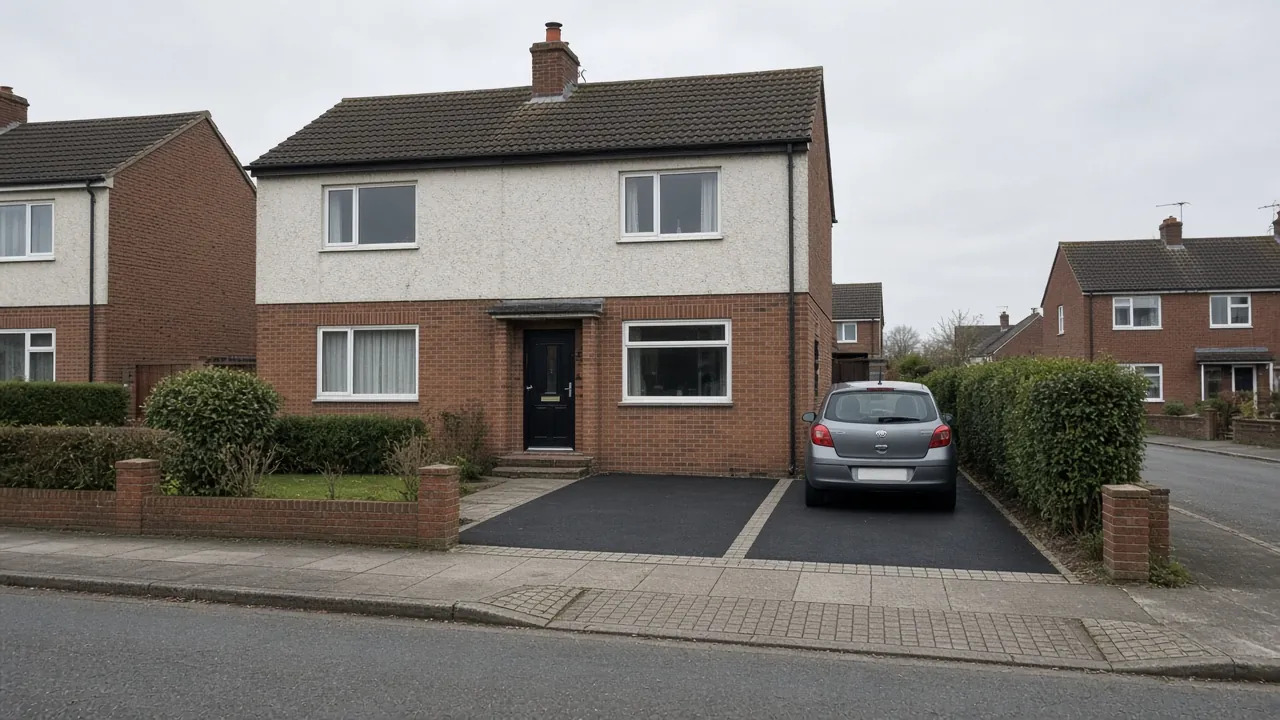
Tarmac works particularly well on the wide, simple frontages of post-war streets in Dormanstown and the Lakes Estate, where a front lawn is being turned into parking for the first time. A black surface with a contrasting block border looks tidy against brick, and the speed of laying means the job is often finished in a day or two once the base is down. On shared private accesses, where several households use one drive, tarmac is usually the most economical way to resurface a long run. Agree in writing who pays which share before work starts, and make sure every owner is happy with the levels where the shared section meets each private drive.
Common questions
How long does tarmac last?
Typically 15 to 20 years with a sound base.
When can I park on it?
Usually after a day or two. Avoid turning the steering wheel while stationary for a few weeks.
Can tarmac be coloured?
Yes, red and green tarmac are available at extra cost.
Is tarmac cheaper than block paving?
On UK averages, yes, by roughly £10 per m².
Do I need a dropped kerb?
If you do not already have one, yes. See dropped kerbs.